Find White Vehicle Reflex Reflector for Bumpers, Mud Guards, Signs
Explore 21 white vehicle reflex reflector options designed for automotive safety and road visibility. Buyers can compare material types, installation methods, and compliance standards to select the right fit for their specific vehicle or infrastructure needs; compare the available evidence and request quotations based on your requirements.
Key considerations
Products List


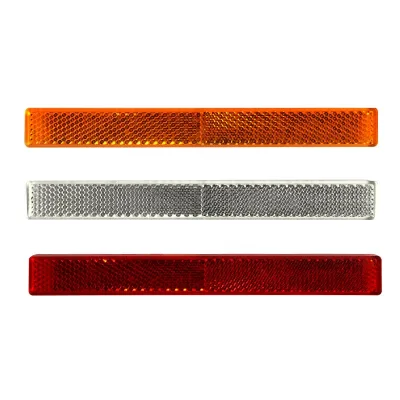
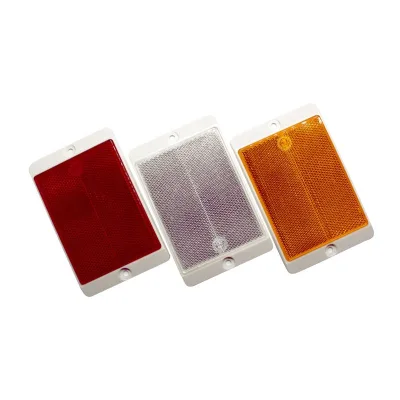


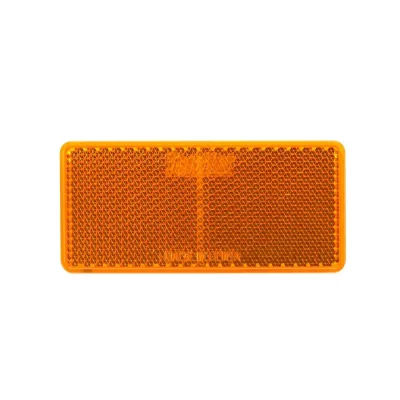


Comprehensive Sourcing Guide
White Vehicle Reflex Reflector Sourcing Guide
Procurement teams must first distinguish between general reflective materials and specific vehicle-grade reflex reflectors designed for high-visibility safety applications. The available market data indicates a diverse range of products, including retro-reflective markings for carriage and road signs, which often utilize acrylic or plastic substrates. Buyers should verify that the specific unit selected matches the intended vehicle application, such as rear bumper positioning or general road signage, rather than assuming all listed reflective materials are suitable for automotive use.
When evaluating listings, it is critical to confirm the exact material composition and color specifications required for your fleet. While some observed products feature red or yellow colors, the specific requirement for a white vehicle reflex reflector necessitates a strict filter for white-colored units. Additionally, the presence of adhesive installation methods suggests a non-permanent mounting solution, which must be validated against the vehicle's surface material to ensure long-term retention without damaging the paintwork.
Product Scope and Observed Listing Signals
The observed product catalog reveals a wide spectrum of reflective solutions, ranging from simple plastic mud guards to complex retro-reflective lattice systems. Buyers must carefully parse the product models, such as BXJ-A17 or BXJ-A22, to identify those explicitly designed for vehicle safety rather than general industrial marking. The presence of specific attributes like "Rear Bumper" or "Auto Mud Guard" helps narrow the scope, but the core requirement remains the white color and the specific reflective lattice structure needed for vehicle compliance.
Listing signals also include varied packaging standards, from simple cartons to specialized gift boxes, which can impact logistics costs and product protection. Some entries list dimensions like 7522mm or 9624mm, indicating that size is a primary differentiator in this category. Procurement teams should not assume that a product labeled as a "reflective material" is automatically a finished reflector; instead, they must verify the physical form factor and ensure it aligns with the mounting requirements of the target vehicle model.
Technical Specifications to Verify
Technical due diligence requires a rigorous check of the material type, specifically confirming whether the product uses PMMA or standard plastic with a reflective lattice. The observed data highlights that some units are made of acrylic, while others are generic plastic, and the optical performance of these materials varies significantly under different lighting conditions. Buyers must request detailed optical data to ensure the white reflector meets the necessary retro-reflective efficiency standards for low-light and night-time driving scenarios.
Dimensional accuracy and mounting compatibility are equally critical, as the observed listings show a wide range of sizes and installation methods. While adhesive is a common method, the specific dimensions such as 166X145X20 or 69*43mm must be matched precisely to the vehicle's mounting points. Furthermore, the warranty periods observed, ranging from 18 months to two years, serve as a proxy for expected durability, but buyers should verify the specific environmental resistance ratings for the intended operating climate.
Compliance and Safety Documentation
Regulatory compliance is non-negotiable for vehicle safety components, and buyers must verify that the product holds valid certifications such as CCC or CE. The observed data confirms that some products meet these standards, but the specific application to white vehicle reflectors requires explicit confirmation that the certification covers the exact model and color variant. Relying on general certification claims without verifying the specific product scope can lead to significant legal and safety liabilities during vehicle inspections.
In addition to certifications, the product origin and manufacturing standards provide insight into the quality control processes employed by the supplier. Many listed items originate from China, with specific locations like Zhengjiang or Shanghai noted, which can influence shipping times and supply chain reliability. Buyers should ensure that the supplier can provide traceable documentation linking the specific batch of white reflectors to the claimed DOT or CCC standards, ensuring that the product is not merely compliant on paper but in actual physical performance.
Cost Drivers and Commercial Terms
Pricing in this category is influenced by material costs, specifically the difference between acrylic and standard plastic, as well as the complexity of the reflective lattice structure. The observed price range of 0.18 to 15 USD suggests a vast disparity in product quality and specification, requiring buyers to look beyond the lowest price point to avoid substandard components. Understanding the cost drivers helps in negotiating better terms, as higher-priced items often include better warranties and more rigorous quality assurance processes.
Minimum Order Quantities (MOQs) and lead times are significant commercial factors that affect inventory planning and cash flow. The observed MOQ range of 50 to 5000 units indicates that suppliers have varying production capacities, and buyers must align their order volume with these constraints to avoid excessive per-unit costs. Additionally, the presence of customization options allows for tailored solutions, but this often comes with higher MOQs and longer lead times, which must be factored into the total cost of ownership calculation.
Supplier Qualification and Quality Control
Supplier qualification should focus on their ability to provide consistent quality across large batches, particularly given the observed variation in product models and specifications. Buyers must assess the supplier's track record in delivering products that meet the specific white color and reflective material requirements without deviation. The presence of a warranty, such as the 18-month or 2-year periods observed, is a strong indicator of supplier confidence, but it must be backed by a clear claims process and responsive customer support.
Quality control protocols must be verified through on-site audits or third-party inspection reports, especially for products intended for safety-critical applications. The observed data includes various packing methods, from PP bags to pallets, which can impact the physical condition of the goods upon arrival. Buyers should require a detailed quality assurance plan that covers material testing, dimensional checks, and reflective performance verification to ensure that every unit meets the strict safety standards required for vehicle use.
Long-Term Procurement Checks
Establishing a long-term procurement strategy involves regular performance reviews of the supplied white vehicle reflex reflectors to ensure they maintain their reflective properties over time. Buyers should monitor the actual field performance of the products, tracking any failures or degradation in visibility that might indicate a quality issue not apparent during initial testing. This proactive approach helps in identifying potential supply chain risks before they impact vehicle safety or regulatory compliance.
Continuous engagement with the supplier regarding updates in standards and material technologies is essential for maintaining a competitive and safe fleet. As regulations evolve, the supplier must be able to adapt their product lines to meet new requirements, such as updated DOT or CCC standards. By maintaining a collaborative relationship and conducting periodic audits, buyers can ensure a steady supply of high-quality white reflectors that continue to meet the rigorous demands of modern vehicle safety standards.
FAQs
What materials are used for white vehicle reflex reflectors?
White vehicle reflex reflectors are commonly manufactured using acrylic or plastic materials. Some specific models utilize PMMA, which is a type of acrylic known for its clarity and durability. These materials ensure the reflector maintains its retro-reflective properties effectively under various lighting conditions.
Which certifications do these reflectors typically hold?
These reflectors often hold CCC and CE certifications to meet safety standards. Some products also comply with DOT standards for road safety applications. Ensuring these certifications are present is crucial for verifying that the reflectors meet international regulatory requirements for vehicle safety and road usage.
Can I find reflectors with custom specifications available?
Yes, customization is available for many white vehicle reflex reflector models. Buyers can often request specific dimensions or reflective lattice types to match their vehicle requirements. This flexibility allows for tailored solutions that fit unique carriage or road sign applications without compromising on quality or performance standards.
What is the typical warranty period for these products?
The typical warranty period for these reflectors ranges from 18 months to 2 years. This coverage ensures that the product remains functional and reliable for a significant duration after purchase. Buyers should verify the specific warranty terms associated with their chosen model to understand the full scope of protection provided.
How are these reflectors usually packaged for shipping?
These reflectors are typically packaged in cartons, sometimes with additional PP bags or pallets for bulk orders. Specific models may come in gift boxes or neutral white boxes depending on the supplier. Proper packaging ensures the items arrive safely and are ready for immediate installation or further distribution to end users.
What is the minimum order quantity for these items?
The minimum order quantity for these items generally ranges from 50 to 5000 units. This range accommodates both small-scale buyers and large distributors seeking bulk supplies. Buyers should check specific supplier requirements to determine the exact MOQ applicable to their order size and product selection.
Where are these reflectors typically manufactured?
These reflectors are typically manufactured in China, with specific origins noted in cities like Zhengjiang and Shanghai. Knowing the origin helps buyers assess logistics and potential shipping times. Products from these regions often benefit from established supply chains and competitive pricing structures for international trade.